BIOMASS TO GREEN METHANOL
Building a Renewable Future
Initializing Platform...
Building a Renewable Future
Pioneering circular energy solutions by transforming agricultural and organic waste into low-carbon green methanol for eco-friendly marine transportation, power generation, and green chemical feedstocks.
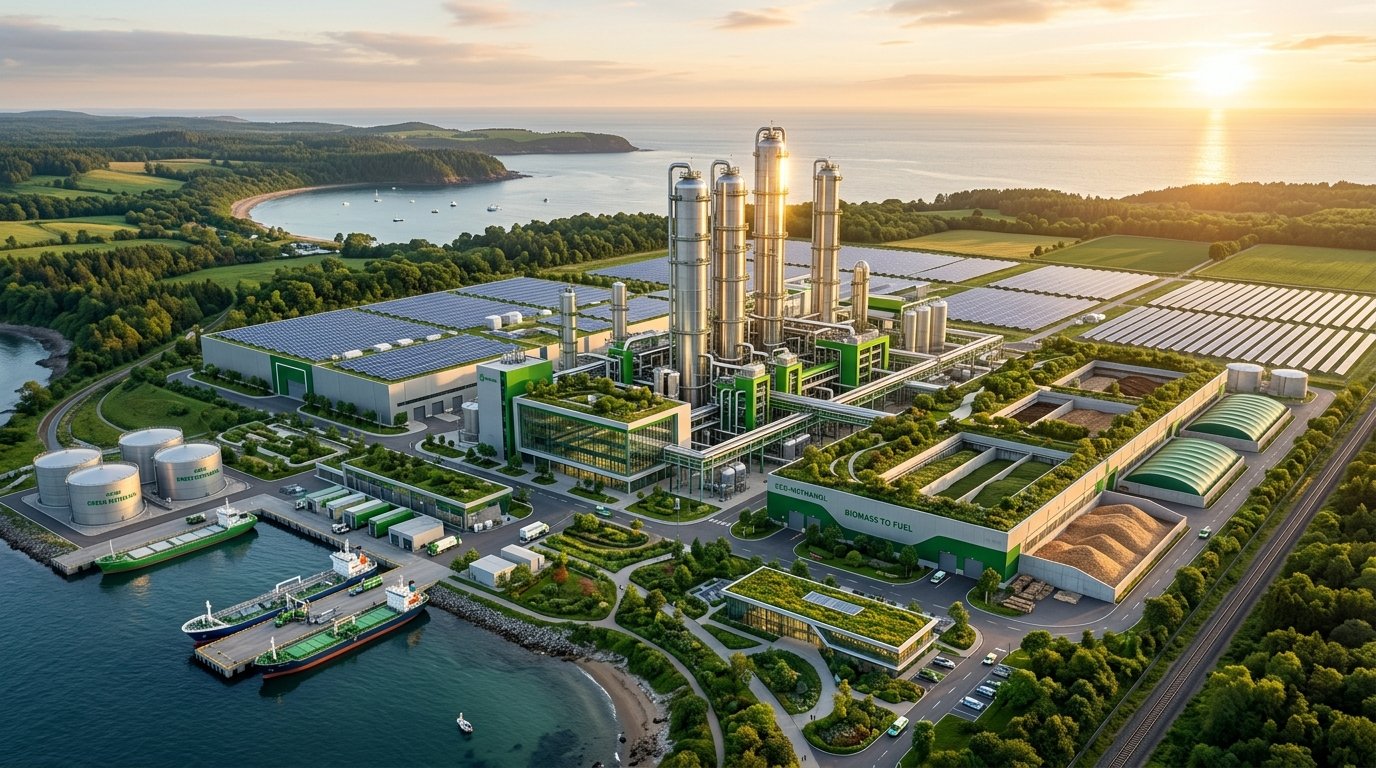
The Biomass-to-Green Methanol initiative is an integrated renewable-carbon platform designed to convert biomass and organic waste into low-carbon methanol.
By combining biomass valorization, anaerobic digestion, biomethane recovery, syngas production, and catalytic methanol synthesis, the project transforms underutilized organic resources into a high-value energy and chemical product for global decarbonization.
Click through each stage to explore the step-by-step transformation pathway.
Sustainable collection of agricultural residues, crop waste, livestock manure, food waste, and organic municipal waste serving as renewable carbon feedstock.
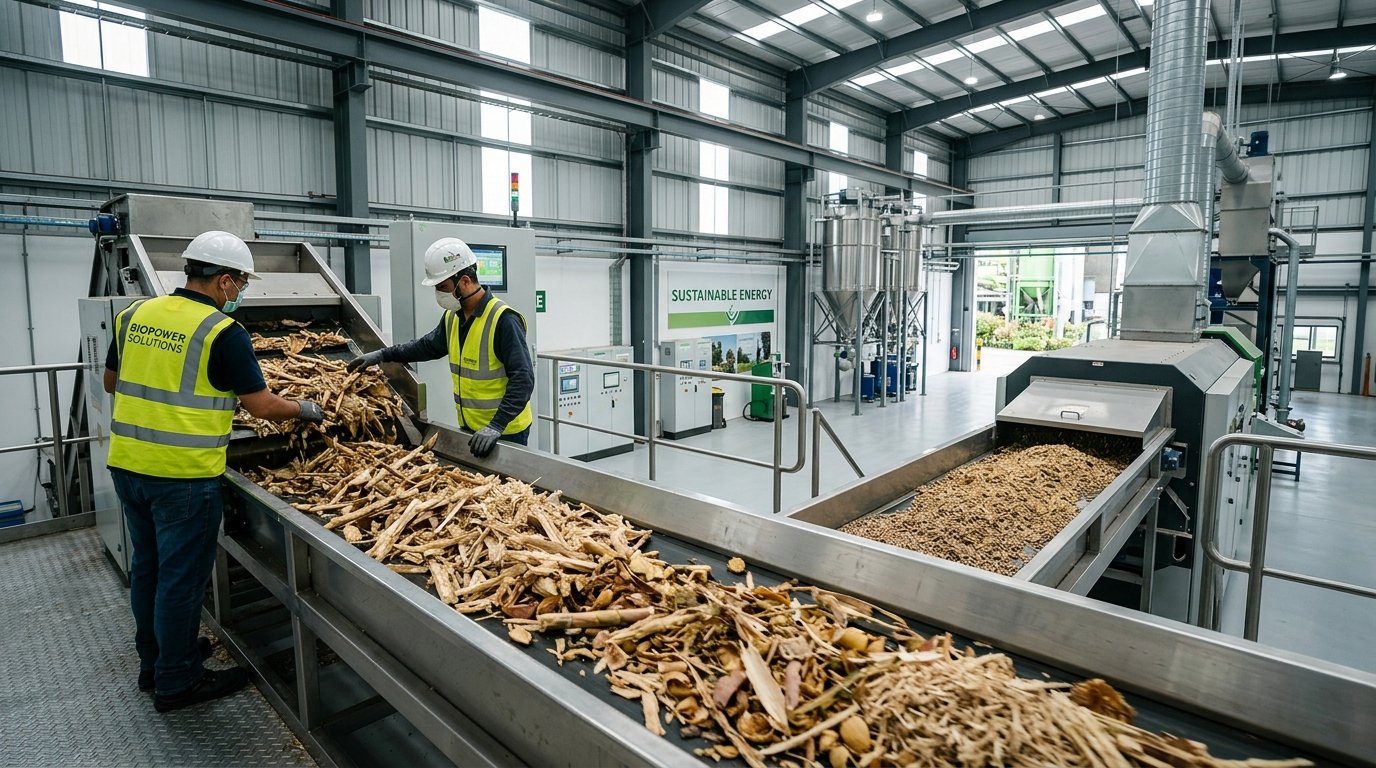
The platform utilizes a broad range of locally available biomass and organic resources, maximizing waste valorization:
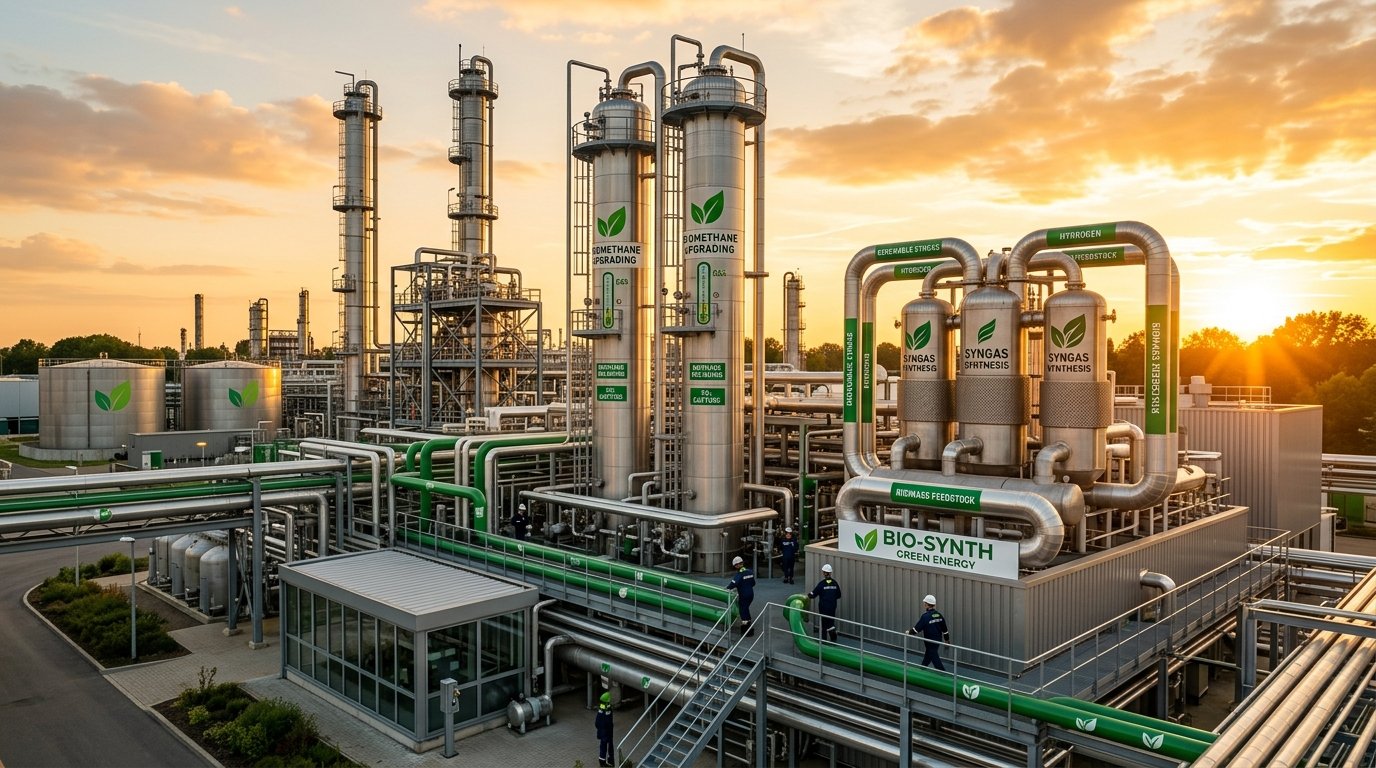
Biomass is biologically converted into biogas through high-efficiency anaerobic digestion, which is subsequently upgraded to pure biomethane.
The biomethane is transformed into synthesis gas (syngas) through suitable reforming technology and then converted into methanol through catalytic synthesis and distillation.
Converts agricultural and organic waste into a valuable industrial energy and chemical resource, eliminating open waste burning and landfilling.
Provides an alternative renewable carbon pathway to conventional fossil-based methanol production, closing the carbon loop.
Supports controlled methane recovery and dramatically reduces dependence on uncontrolled organic waste decomposition.
Renewable electricity and green hydrogen can be seamlessly incorporated to further minimize production carbon intensity.
Creates an integrated, resilient value chain connecting municipal waste management, renewable energy recovery, carbon capture utilization, and downstream clean chemical manufacturing.
Green methanol serves as a high-density, versatile bio-renewable liquid vector across global industries.
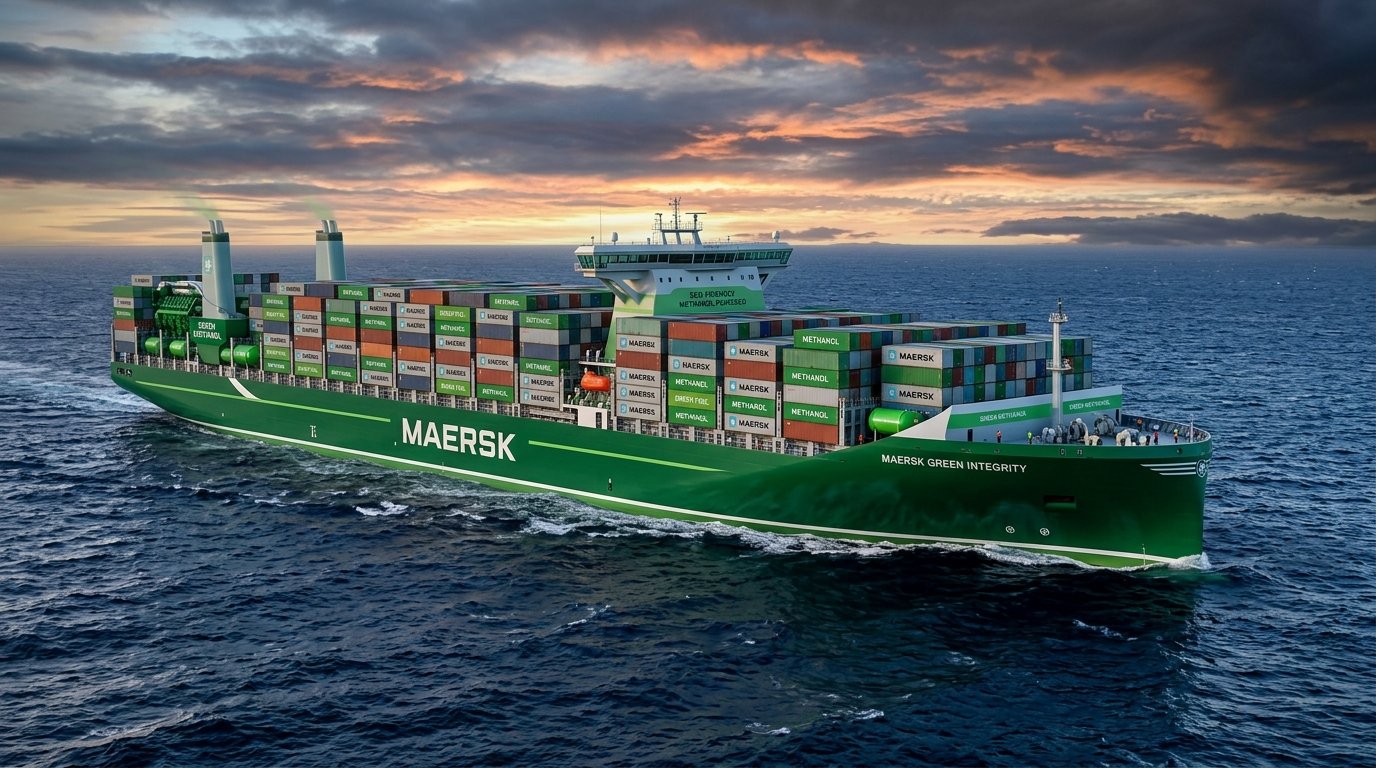
A leading ultra-clean alternative fuel for global container shipping, meeting strict IMO zero-emission maritime standards.
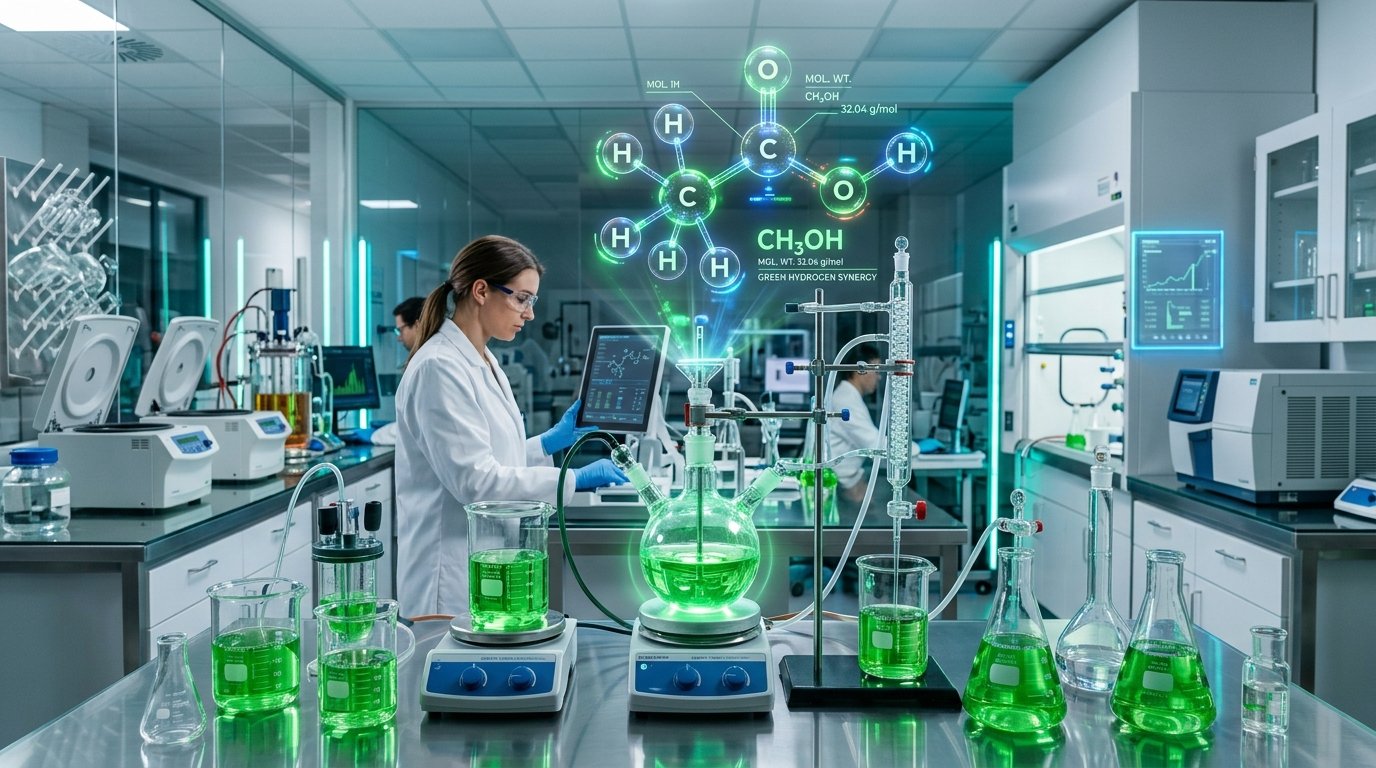
Essential green building block for producing bio-based formaldehyde, acetic acid, solvents, and sustainable polymers.